"A bright, clear jet of light"
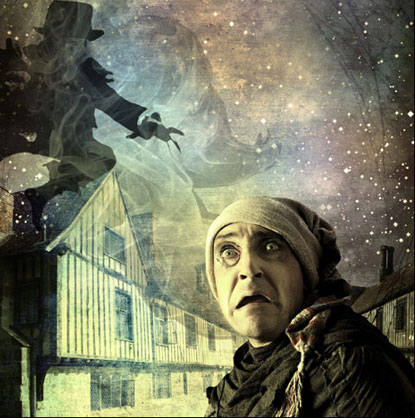
Image: Bristol's Tobacco Factory Theatre 2008 production
Bah, humbug! shouted Scrooge. Then he was visited by his dead business partner and by the Ghosts of Christmas Past, Christmas Present and Christmas Future. . .
Charles Dickens wrote A Christmas Carol to help poor children who, like the boy he had been, were being crushed by the Industrial Revolution and by hardhearted adults.
His inspiration for his Carol came to him like “a bright, clear jet of light” and he wrote at a white heat, finishing the book in less than two months as "he wept over it, laughed, and then wept again". (So wrote Les Standiford, author of The Man Who Invented Christmas.)
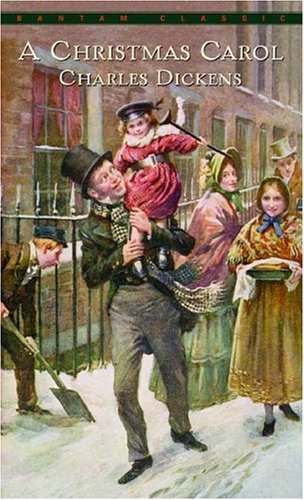
The result is a phenomenon of insight, power, passion and delight. Dickens sent out presentation copies on December 17, 1843. (The official release date was the 19th.) By December 22nd, he had sold every copy. A Christmas Carol has been a bestseller for 150 years, and has been adapted for film, theatre, and television.
The story evokes almost every British Christmas tradition, especially the one Dickens considered the beating pulse of Christmas – reaching out to others with love and living with joy.
| Permalink
|